
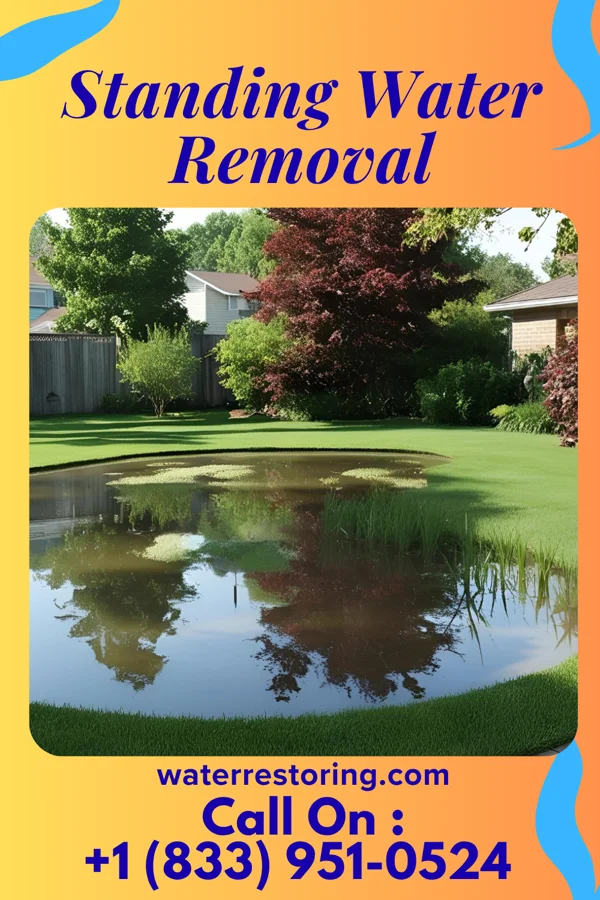
Common Standing Water Causes in Richland
Most standing water removal calls in Richland come from In Richland, Georgia, water damage often stems from heavy rainfall and flooding due to its rural location near the Oostanaula River. The area's low-lying terrain and proximity to streams increase the risk of sudden water intrusion during storms.. A close second is Secondary causes include plumbing failures in older homes, backed-up sewer systems, and groundwater seepage through basements. These issues are common in the region's rural subdivisions and can lead to prolonged moisture problems.. If you know what is about to happen, the decisions during the first 48 hours get a lot easier.
Richland experiences a humid subtropical climate with frequent thunderstorms and heavy downpours, which can lead to flash flooding. The area's rural setting and limited drainage infrastructure exacerbate the risk of water accumulation and damage.
Most standing water removal calls in Richland come from In Richland, Georgia, water damage often stems from heavy rainfall and flooding due to its rural location near the Oostanaula River. The area's low-lying terrain and proximity to streams increase the risk of sudden water intrusion during storms.. Running a close second is Secondary causes include plumbing failures in older homes, backed-up sewer systems, and groundwater seepage through basements. These issues are common in the region's rural subdivisions and can lead to prolonged moisture problems.. Local mold risk: Mold growth can occur within 48 hours in Richland's humid climate, making rapid response critical to prevent health hazards and structural damage. Early intervention is essential to mitigate long-term risks.